Understanding the Cost of Plant Prunings
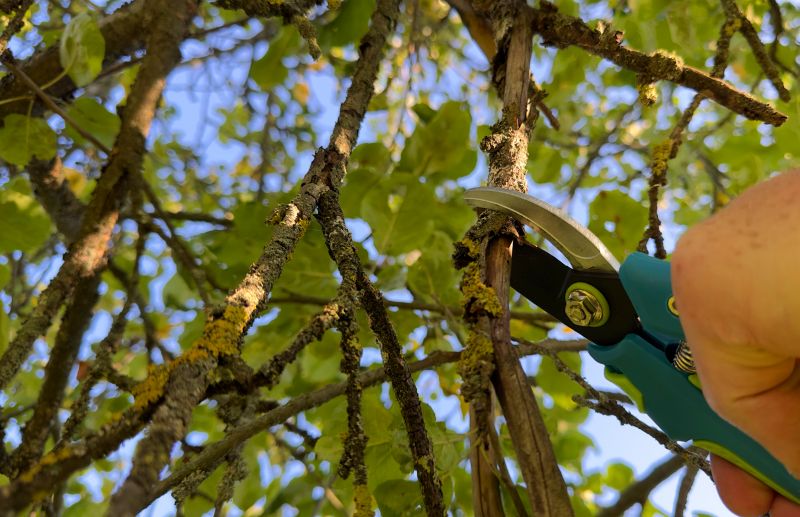
Different plant species require varying pruning techniques and effort, affecting costs.
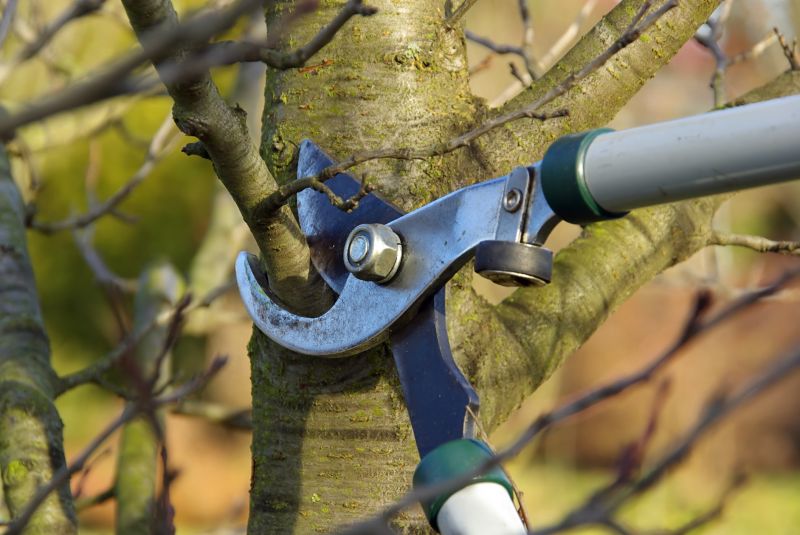
Larger branches demand more labor and equipment, increasing expenses.
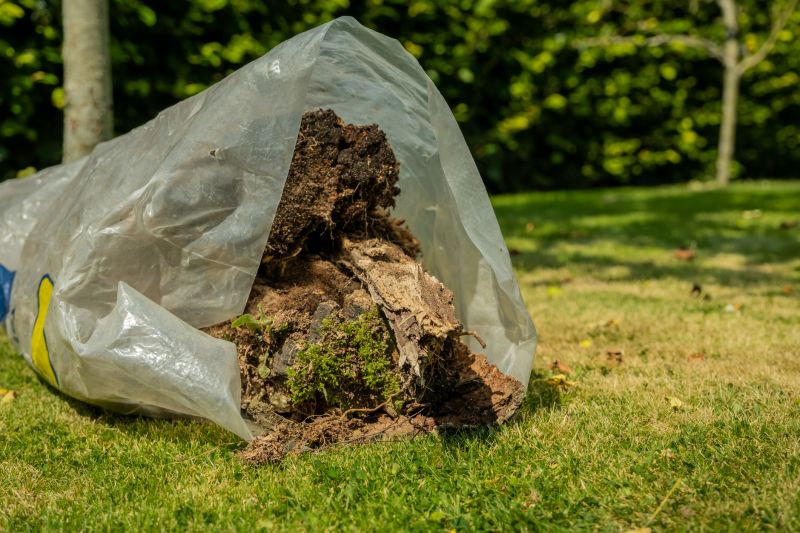
Cost varies based on whether prunings are chipped, composted, or removed for disposal.
| Factor | Impact on Cost |
|---|---|
| Plant Species | Certain species are more difficult to prune, increasing labor costs. |
| Branch Size | Larger branches require specialized tools and more time. |
| Quantity of Prunings | Higher volume leads to increased disposal and labor costs. |
| Location Accessibility | Hard-to-reach areas incur higher labor and equipment costs. |
| Disposal Method | Chipping or hauling prunings adds to overall expenses. |
| Season | Pruning during peak growth periods may be more labor-intensive. |
| Equipment Used | Advanced machinery can raise costs but improve efficiency. |
| Permits and Regulations | Compliance requirements may add to the total cost. |
Pricing for pruning services often considers labor, equipment, and disposal fees. Proper planning and understanding of these factors can help manage costs effectively. It is advisable to obtain detailed estimates that account for plant type, size, and site conditions to ensure accurate budgeting.
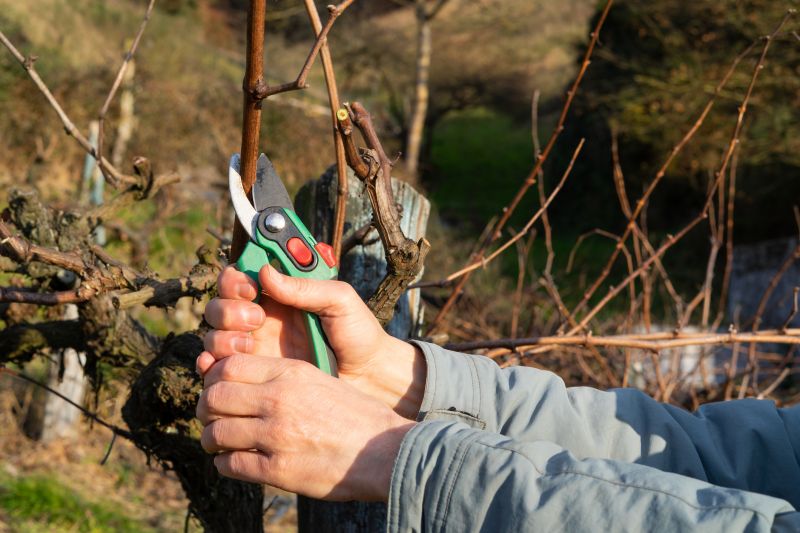
Specialized tools and machinery influence labor efficiency and costs.
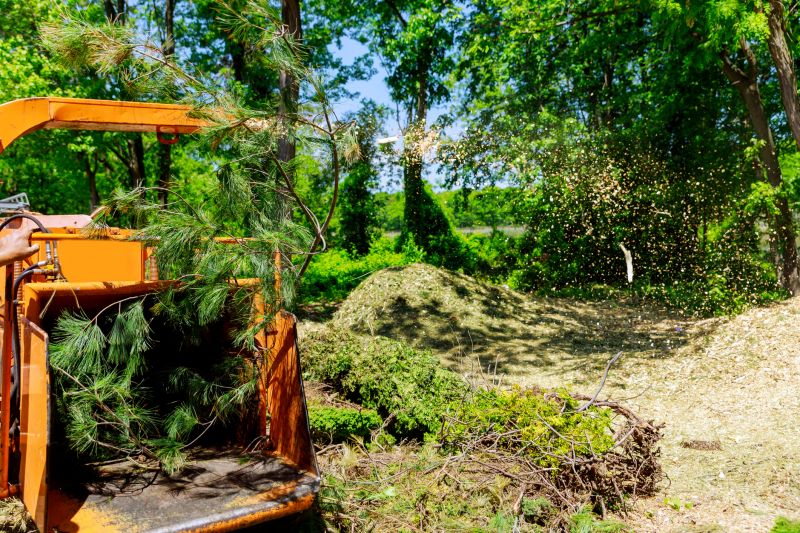
Chipping prunings onsite can reduce disposal costs and create mulch.
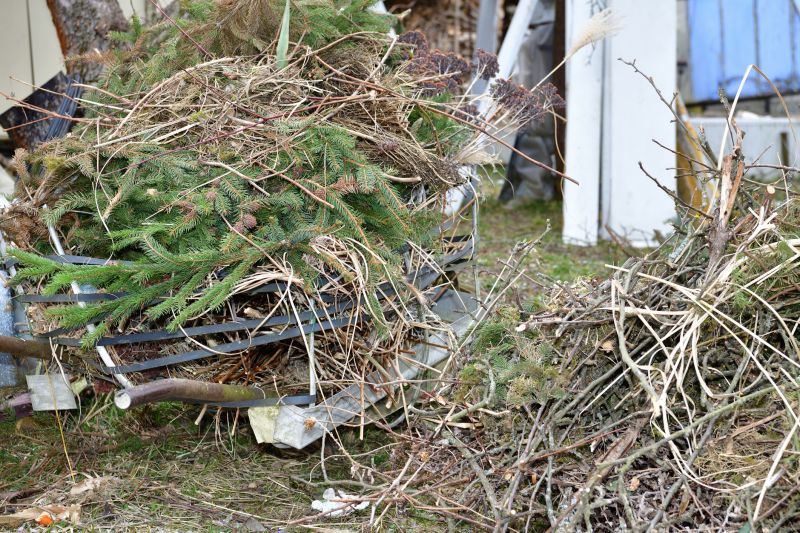
Choosing between hauling away or onsite processing affects overall expenses.
| Service | Average Price Range |
|---|---|
| Small shrub pruning | $50 - $150 |
| Medium tree pruning | $200 - $500 |
| Large tree pruning | $600 - $1,200 |
| Hedge trimming | $100 - $300 |
| Stump grinding | $150 - $400 |
| Deadwood removal | $80 - $250 |
| Seasonal shrub shaping | $100 - $350 |
| Fruit tree pruning | $150 - $400 |
| Vine pruning | $70 - $200 |
| Landscape pruning maintenance | $300 - $1,000 |